-
Hot, Cold, Dry: Climate Change Shaped Mammal Diversity 66 to 23 Million Years Ago
A research team from the Senckenberg Biodiversity and Climate Research Center in Frankfurt, the German Center for Integrative Biodiversity Research (iDiv) Halle-Jena-Leipzig and Friedrich Schiller University Jena has investigated the impact of climate change on mammalian diversity in Central Asia during the Paleogene. Their study, now published in the scientific journal “Nature Communications,” shows that between 66 and 23 million years ago, a regional arid phase – in addition to global temperature shifts – played a decisive role in shaping the evolution of mammalian communities. The Paleogene period, approximately 66 to 23 million years ago, was a pivotal era in mammalian evolution. After the dinosaurs became extinct about 66 million years ago,…
-
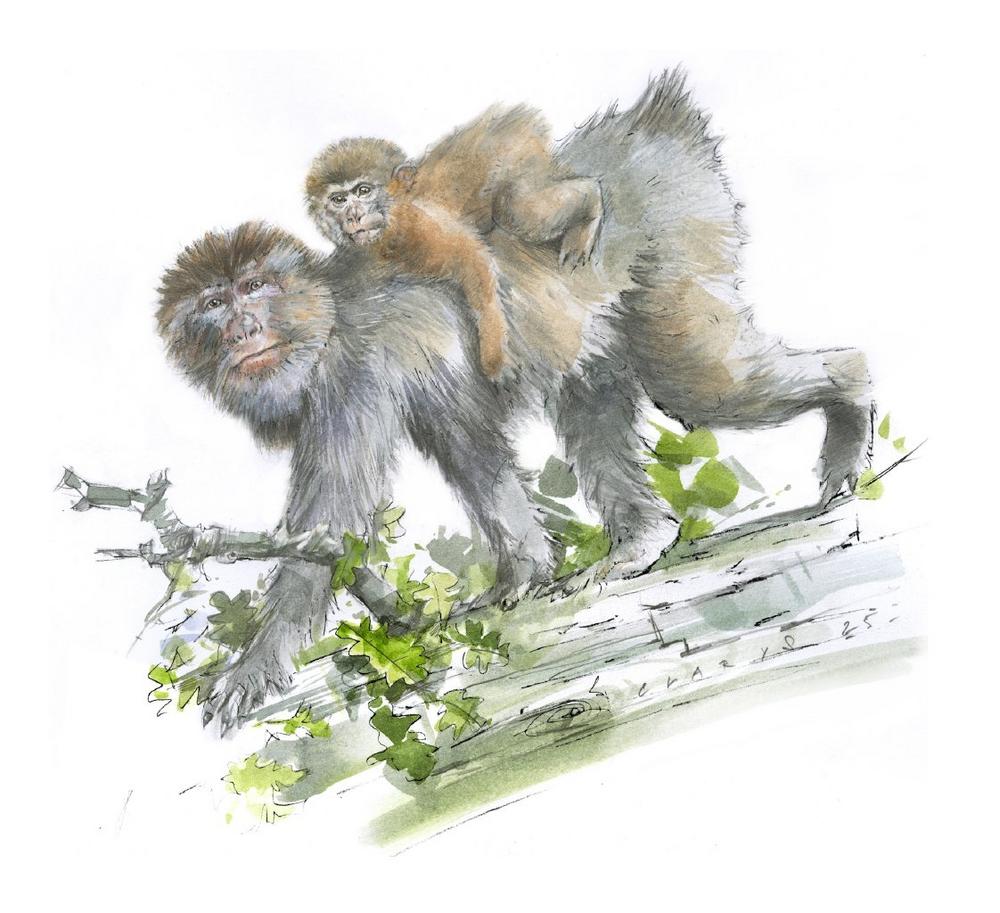
Barbary Macaques in Northern Germany: Researchers Discover a More Than 300,000-Year-Old Tooth
A research team from the Senckenberg Centre for Human Evolution and Palaeoenvironment at the University of Tübingen and Leiden University in the Netherlands has examined a tooth from the Schöningen archaeological site in Lower Saxony. In their study, now published in the journal “Quaternary Environments and Humans,” the researchers show that the specimen is a baby tooth from a young macaque (Macaca cf. sylvanus) that lived in this region more than 300,000 years ago. The tooth therefore represents the northernmost evidence of this primate species in continental Europe. Barbary macaques (Macaca sylvanus) are the only extant macaque species native to North Africa, and they are also found in Gibraltar at…
-
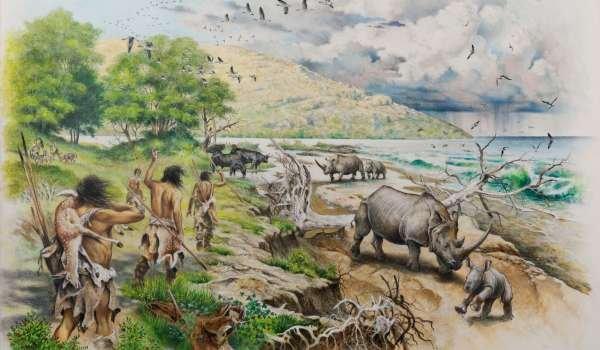
Lebanon: 400,000 Years of Climate and Landscape History Rediscovered
Archaeological legacy collections housed at the Museum of Lebanese Prehistory at Saint Joseph University in Beirut reveal the wide diversity of environmental conditions in the eastern Mediterranean region during the Pleistocene. An international research team led by Dr. Gabriele Russo of the Senckenberg Centre for Human Evolution and Palaeoenvironment at the University of Tübingen has reexamined historical fossil collections from Lebanon using modern methodology. The results, published today in two complementary studies in the journal “Communications Earth & Environment,” show that the Levant served as an important corridor for animals and various human lineages during the Pleistocene, and that environmental conditions in the central part of the region differed significantly…
-
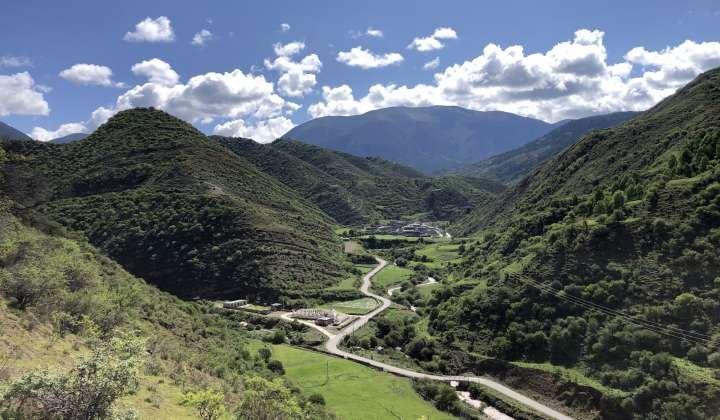
The Roof of the World: A Biodiversity Hotspot for 39 Million Years
A Chinese-German research team, including Senckenberg researcher Prof. Dr. Andreas Mulch, has investigated when and under what conditions the extraordinary biodiversity in eastern Tibet developed. The study, published in the journal “Nature Communications Earth & Environment,” shows that as early as about 39 million years ago, species-rich mammalian communities lived at elevations of approximately 3,400 meters. The fossils represent the oldest directly dated Cenozoic mammalian fauna on the Tibetan Plateau to date. The results indicate that mountain uplift and the associated climatic changes played a decisive role in the emergence of early high-elevation biodiversity. Mountain ranges are among the most species-rich habitats on Earth. A wide variety of conditions converge…
-
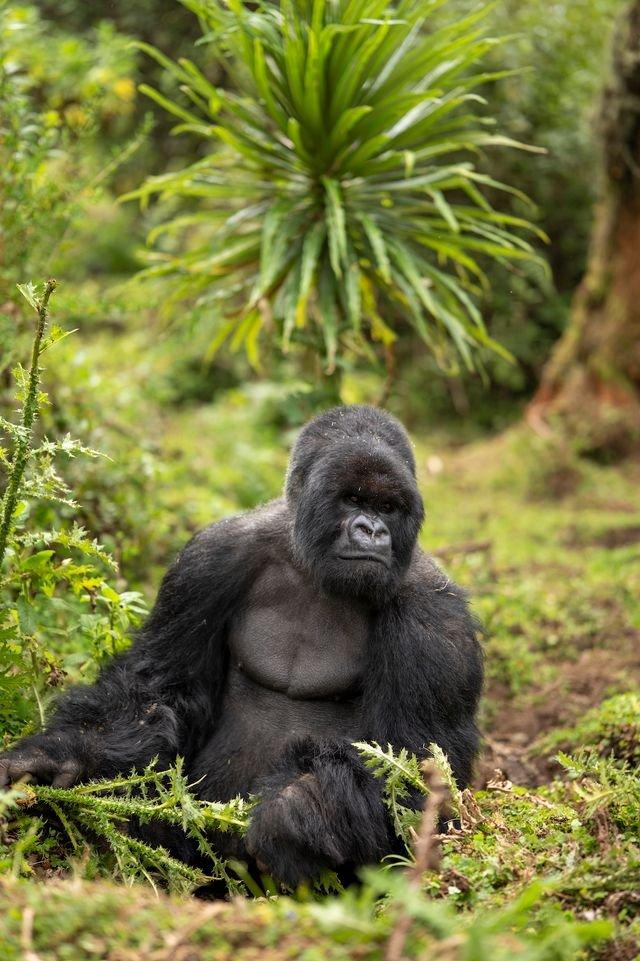
IUCN Green Status Assessment reveals uneven recovery for Eastern Gorillas
A landmark assessment of recovery The International Union for Conservation of Nature (IUCN) has released the first Green Status Assessment for the eastern gorilla (Gorilla beringei), offering the most comprehensive evaluation to date of the species’ recovery, ecological functionality, and long-term prospects. The assessment led by Senckenberg researcher Dr. Jessi Junker was conducted at both the species level and the subspecies level, with separate analyses for the two subspecies: Grauer’s gorilla (Gorilla beringei graueri) and the mountain gorilla (Gorilla beringei beringei). At the subspecies level, the findings highlight a clear difference: the Grauer’s gorilla has experienced substantial population declines across much of its range over the past two decades, while…
-
62% of Hydrothermal Vent Molluscs Now Threatened by Deep-Sea Mining
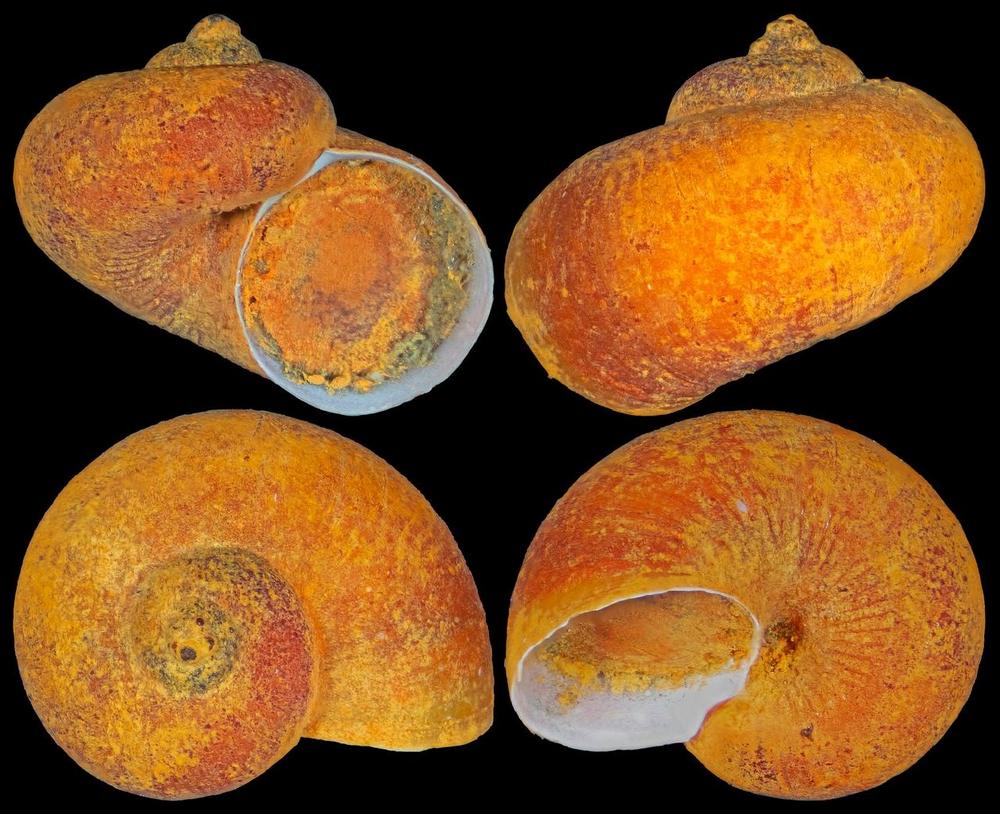
As delegates from around the world gather in Kingston, Jamaica, for high-stakes International Seabed Authority (ISA) negotiations to debate the future of deep-sea mining, a stark scientific warning has emerged from the ocean’s depths. An update of The IUCN Red List of Threatened Species™ reveals that 62% of endemic hydrothermal vent molluscs worldwide are now at risk of extinction, driven by the looming threat of deep-sea mineral exploration and potential exploitation. This update adds 17 new species to the over 180 vent-endemic molluscs already assessed, providing an unprecedented look at life in one of the planet’s most extreme and fragile environments. Found roughly 5,000 meters below sea level, these creatures…
-
Larger Brain, Smaller Face: Human Evolution Took a Different Course Than Previously Thought
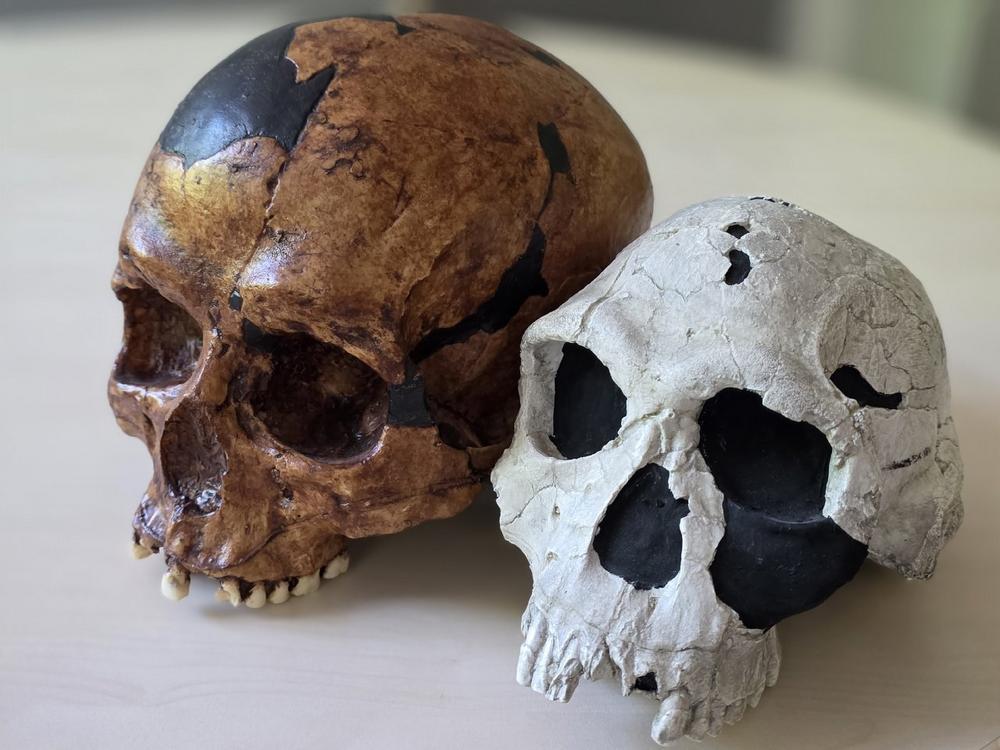
A new study, published today in the journal “Nature Communications,” suggests that two of the best-known trends in human evolution – brain growth and the reduction in the size of the face and jaw – may be far less attributable to directed natural selection than scientists have long assumed. Instead, the findings by researchers at the University of Tennessee-Knoxville and the Senckenberg Centre for Human Evolution and Palaeoenvironment (SHEP) at the University of Tübingen point to a slower and presumably more limited evolutionary process than the traditional textbook portrayal suggests. The genus Homo, which is represented today solely by modern humans, emerged about 2.5 million years ago. “With few exceptions, the…
-
Silent Extinction: Loss of Genetic Diversity
Genetic diversity is crucial for the survival of species. It strengthens the adaptability, resilience, and long-term stability of populations. An international research team led by Senckenberg researcher Prof. Dr. Deborah Leigh and comprising other members of the Conservation Genetics Section of the International Union for Conservation of Nature (IUCN) has developed a new approach to identify genetically differentiated groups more reliably within a species. The method is intended to improve both the evaluation of extinction risks and the assessment of reintroduction potential in the future. It aims to reduce the loss of genetic diversity by ensuring that genetically unique populations are effectively protected. The study was published in the journal…
-
More Life at Sea: Unexpectedly High Biodiversity in the Deep-Sea Marine Protected Area
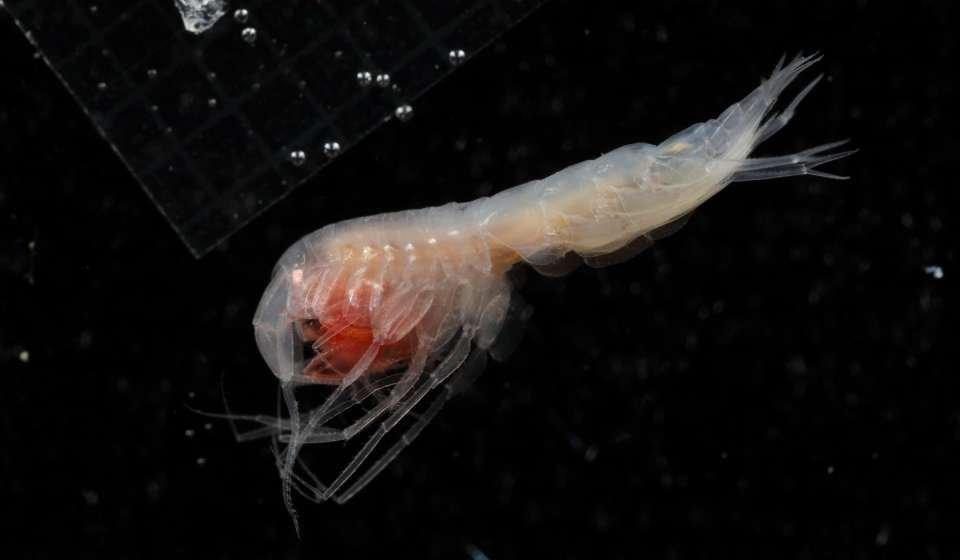
An international research team has studied the genetic diversity of bottom-dwelling amphipods in the newly established “North Atlantic Current and Evlanov Sea Basin” marine protected area. A single sample collected from a depth of nearly 3,700 meters revealed 47 genetically distinct species. Extrapolations suggest there are over 120 species in this area, many of which have not yet been described. The results indicate that the biodiversity of the deep sea has been significantly underestimated. In light of the global goal to protect at least 30 percent of the total marine area by 2030, the new study, published in the journal “Frontiers in Marine Science,” emphasizes the critical importance as well…
-
Blue Planet with a White Spot: More Than Half of the World’s Oceans Remain Insufficiently Explored
Large parts of the oceans – particularly the deep sea as well as tropical and polar regions – have only been poorly explored to date. In a study published today in the journal “Nature Communications,” Senckenberg researcher PD Dr Hanieh Saeedi analyzed approximately 48 million occurrence data records covering more than 184,000 marine species – the world’s first assessment of depth-explicit assessments of marine biodiversity patterns and their drivers at this resolution. The study shows that more than half of the world’s oceans have barely been recorded scientifically. For example, less than 2.5 percent of all biodiversity data originates from the central tropics. The results underscore the need for internationally…