-
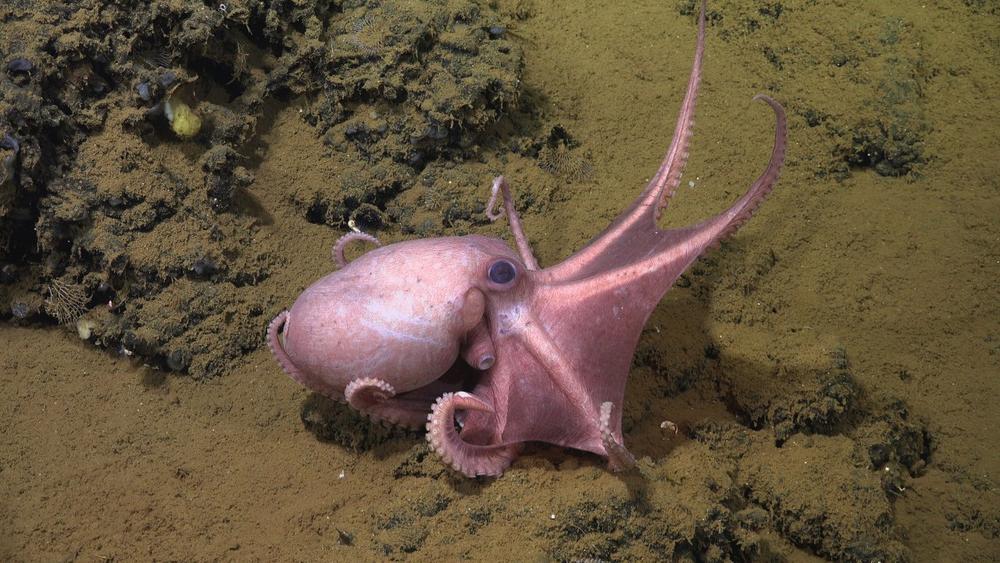
A Deep-sea Octopus is the “Mollusk of the Year 2025”
The deep-sea octopus Muusoctopus has won the title of “International Mollusk of the Year 2025.” Muusoctopus received the majority of votes in the public online poll, beating three sea snails and a clam that were also finalists in the competition. The joint campaign by the Senckenberg Gesellschaft für Naturforschung and Unitas Malacologica, the global society for mollusk research, was held for the fifth time this year. The genome of the eight-armed winner is now being fully sequenced for the first time. The deep-sea octopus Muusoctopus received over 1,300 votes, edging out the “blue dragon” sea slug (Glaucus atlanticus), the Atlantic carrier snail (Xenophora conchyliophora), the Hawaiian black-footed limpet (Cellana exarata),…
-
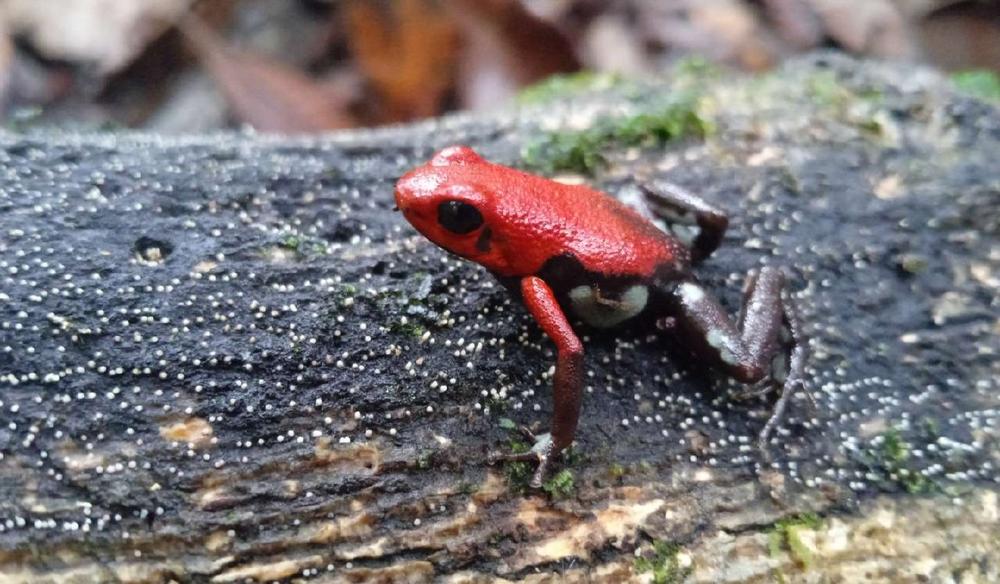
Frogs, Cocoa, and Grazing Livestock: How Humans and Amphibians Can Coexist
Agriculture in the Colombian Andes is an important economic sector that is strongly influenced by geographical diversity and the local climatic conditions. Senckenberg researcher PD Dr. Raffael Ernst and a Colombian-German research team investigated how different land use systems influence amphibian diversity in this region. In their study, published in the journal “Agriculture, Ecosystems & Environment,” they show that agroforestry systems with shade-providing plantations have the highest species diversity. Intensive agriculture, particularly cattle farming, on the other hand, has a negative impact on biodiversity. The study demonstrates that the conservation of amphibian diversity is only possible through a combination of less intensive agroforestry systems and the interlinking of natural forest…
-
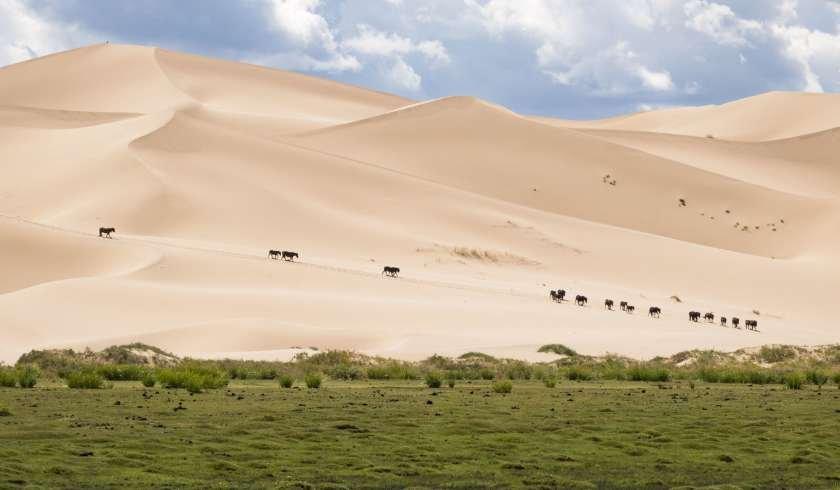
Oases: Diversity Without Protection
Oases are ecosystems that offer unique biological and cultural diversity and are therefore crucial for humans and nature alike. A study led by Senckenberg researchers, recently published in the journal “PeerJ,” has undertaken the first comprehensive global analysis of these areas. Based on 1,657 research papers, 1,344 oases in 30 countries were identified, which provide a livelihood for around 400 million people in Asia and North Africa alone. Despite their ecological and cultural relevance, less than 0.5 percent of these areas are protected, even though many of the species living there are threatened. The researchers urgently call for oases to be considered in the context of global nature conservation, particularly…
-
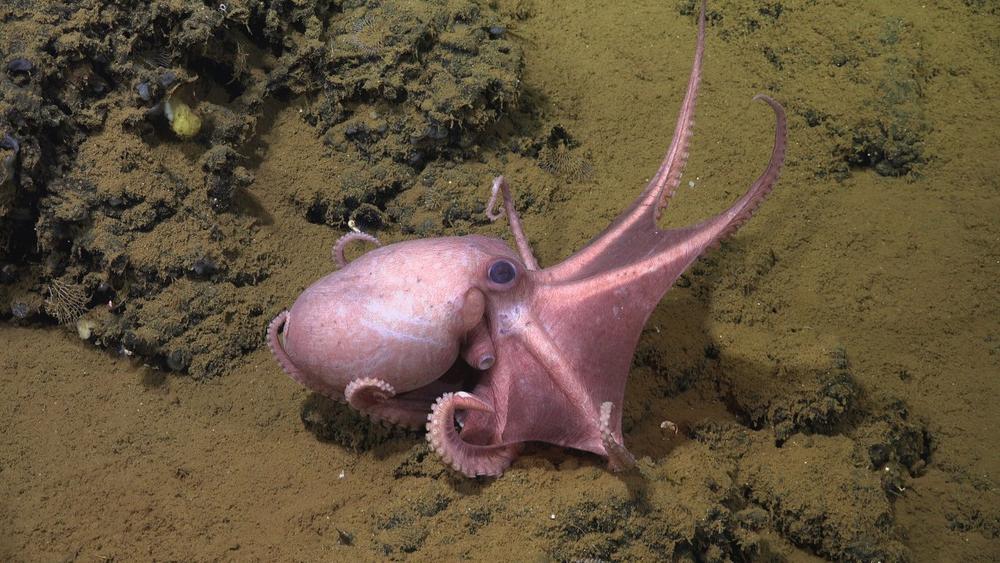
“Mollusc of the year 2025” Competition
Which mollusc will win the race? Starting today, all fans of snails, octopuses, and their ilk can cast their vote at https://moty.senckenberg.science and decide which of the five species in the final deserves the title of “International Mollusc of the Year 2025.” This is the fifth time that the Senckenberg Society and Unitas Malacologica, the global society for mollusc research, have launched this campaign. The objective is to increase awareness of this fascinating and species-rich group of animals and promote their protection. A special prize is in store for the winning species: Its genome will be fully decoded for the first time. “By selecting the ‘Mollusc of the Year 2025,’…
-
Cracking the Mollusc Code
An international team of scientists has cracked a longstanding evolutionary mystery surrounding molluscs, one of the most diverse groups of animals on Earth. The groundbreaking research, published today in Science, resolves the family tree for molluscs, bringing long-awaited clarity on their evolutionary history and resolving debates that have persisted for decades. Molluscs, which include animals like snails, clams, squids, and octopuses, boast extraordinary diversity in shape, size, behaviour and habitat. Despite their ecological and economic importance, their evolutionary relationships have been notoriously difficult to untangle due to conflicting evidence from fossils, physical traits, and genetics. In their new study, scientists analysed the genomes of 77 mollusc species, representing all eight major…
-
The Dark Side of Light: Night-time Illumination Threatens Insects
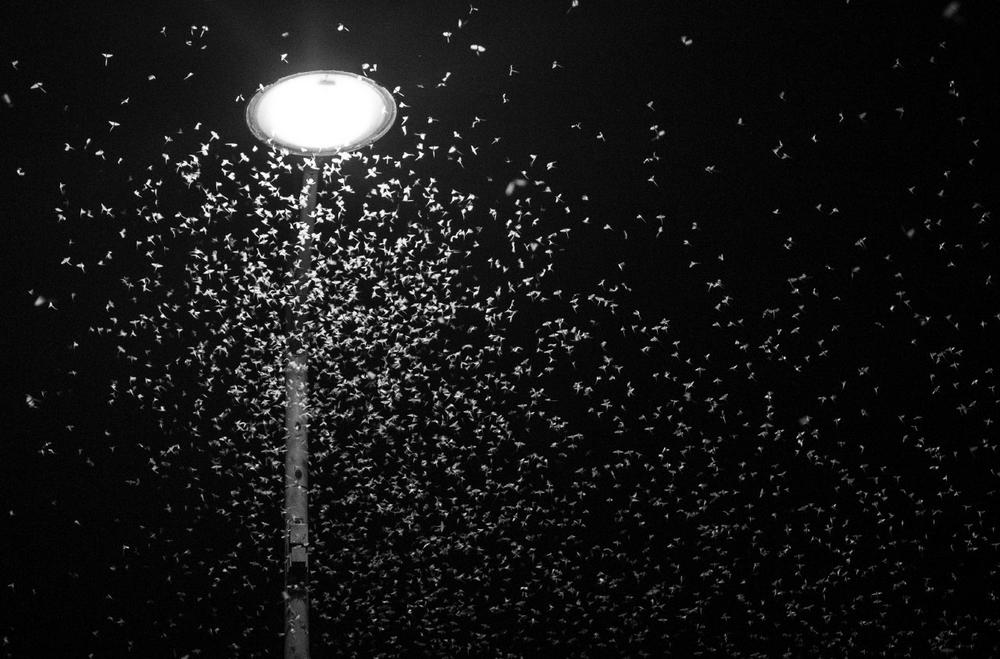
A recent study by the Senckenberg Biodiversity and Climate Research Center Frankfurt and the Johannes Gutenberg University in Mainz shows the dramatic effects of artificial night-time lighting on insects. The researchers studied the midge species Chironomus riparius and found that light pollution caused profound changes in 1564 larval genes. The consequences are alarming: delayed development, increased oxidative stress, and a drastically reduced reproductive capacity. In the journal “Environmental Pollution,” the researchers warn of far-reaching ecological consequences and call for measures to reduce light pollution in order to protect biodiversity and the stability of ecosystems. Wherever people live, there is light: illuminated apartments, houses, streets, billboards, construction sites, office buildings, or local landmarks.…
-
Bats: Corona Without Symptoms
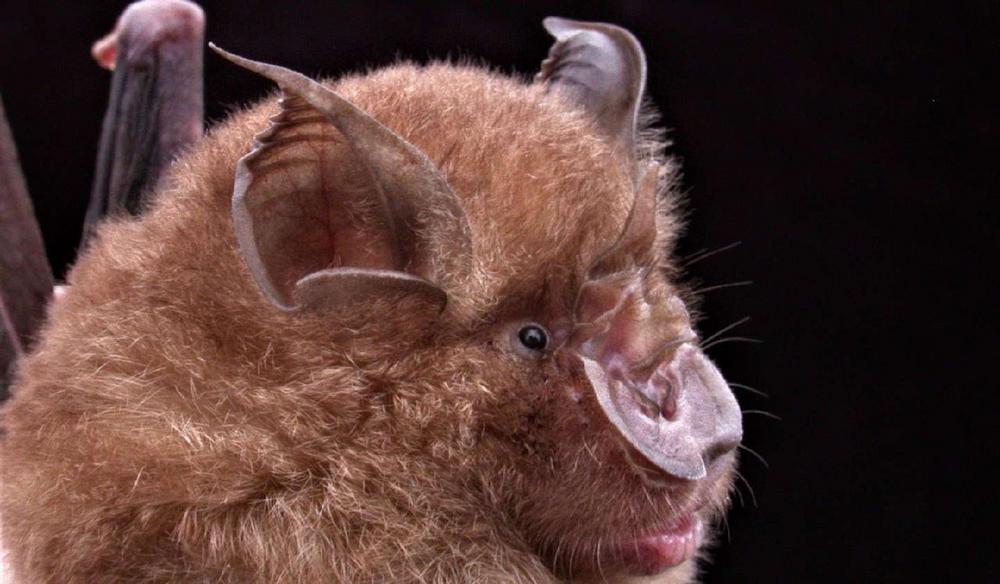
Bats have the ability to tolerate coronaviruses and other viruses without becoming ill. This is due to special adaptations in their immune system. As part of the “Bat1K” project, an international research team has now generated high-quality genomes of bats in order to analyze these adaptations. The study, published today in the renowned scientific journal “Nature,” shows that bats have more genetic adaptations in their immune genes than other mammals. The ISG15 gene, in particular, plays a key role: in some bats, it can reduce the production of SARS-CoV-2 viruses by up to 90 percent. The results could help to develop new medical approaches to combat viral diseases. Bats are…
-
How Can We Help Our Rivers?
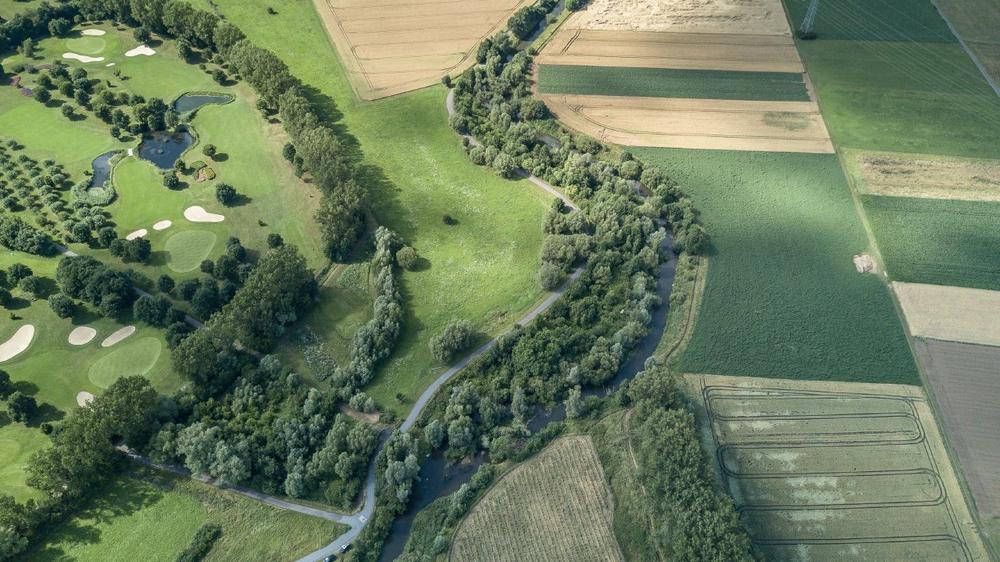
An international research team led by Senckenberg scientist Prof. Dr. Peter Haase has evaluated the results of global measures to protect biodiversity in rivers. Their study, now published in the renowned scientific journal “Nature Reviews Biodiversity,” shows that many protection and renaturation measures fall short and often only achieve limited success. In order to sustainably protect river ecosystems and halt the serious loss of biodiversity, holistic measures are needed on a larger, transnational scale that involve various social groups. Rivers are the lifelines of our planet. For thousands of years, people have settled along rivers and benefited from the advantages they offer, such as clean drinking water, energy, food, transportation,…
-
Just Five More Minutes: News On the Evolution of Hibernation
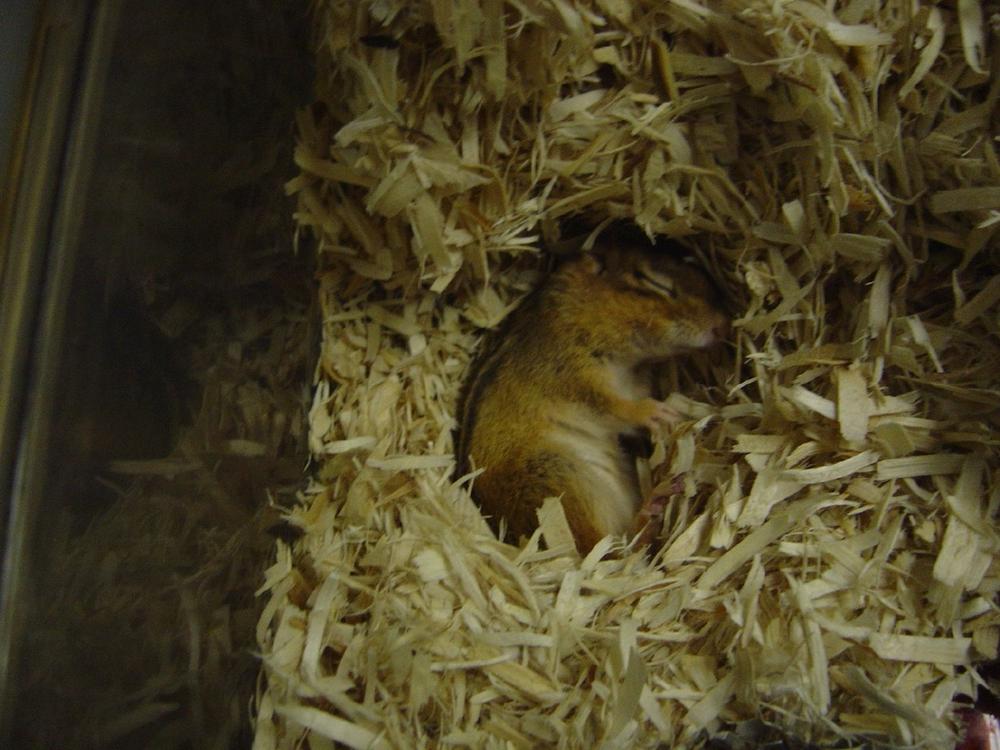
An international research team led by Senckenberg scientists Dr. Dimitrios-Georgios Kontopoulos and Prof. Dr. Michael Hiller has investigated the evolution of different types of torpor – the temporary sharp drop in metabolism and body temperature to conserve energy – in numerous mammals and birds. Their study, recently published in the scientific journal “Functional Ecology,” shows that the “energy-saving mode,” which is widespread in the animal kingdom, has emerged several times independently of each other in different groups of animals over the course of evolution. According to the study, the two main torpor types – the short-term “daily torpor” lasting up to 24 hours and the markedly more prolonged hibernation –…
-
Sea More Species? Genetic Differences Discovered in Blue Whale Populations
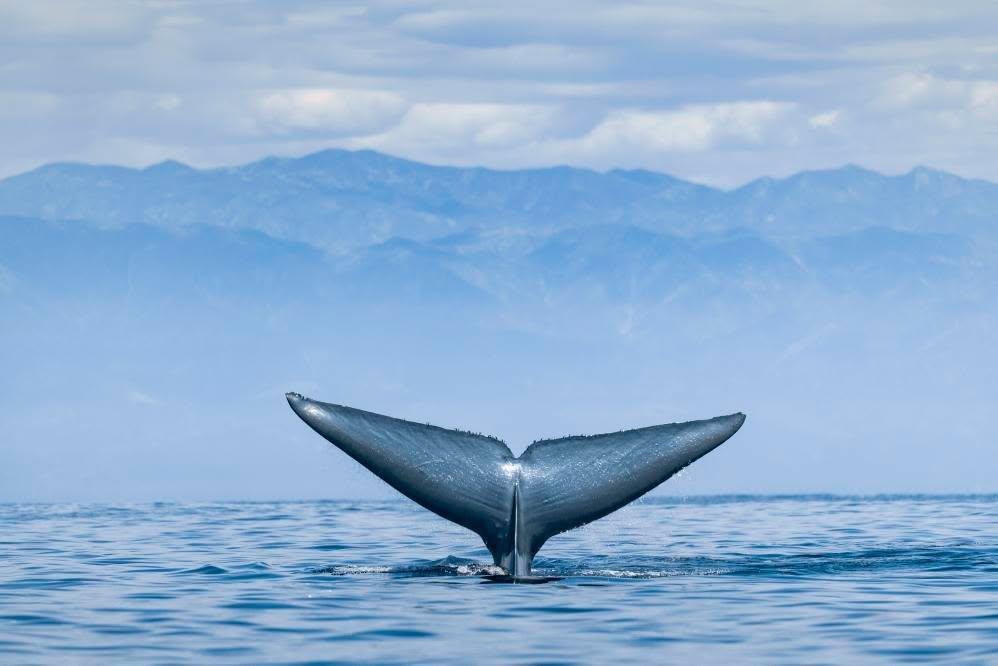
A research team from the Senckenberg Biodiversity and Climate Research Center (SBiK-F), the former LOEWE Center for Translational Biodiversity Genomics (TBG), and Goethe University Frankfurt has gained fascinating genetic insights into the evolution of the largest animal on earth, the iconic blue whale (Balaenoptera musculus). Their study, published in the journal “Molecular Ecology,” provides evidence that blue whales from the North Pacific and North Atlantic may represent separate subspecies. Conservation measures should be specifically adapted to the individual populations, according to the researchers from Frankfurt. Blue whales (Balaenoptera musculus) can reach a length of up to 30 meters and weigh over 180 tons, making them the largest known whale species…