-
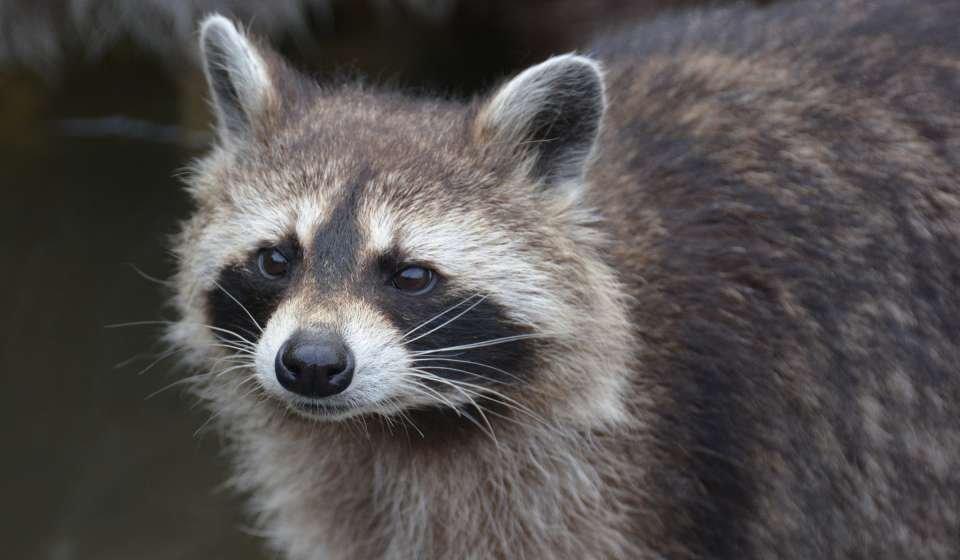
Raccoons: Invasion on Four Paws
As part of the joint project ZOWIAC (Zoonotic and Wildlife Ecological Impacts of Invasive Carnivores), a research team from Frankfurt has analyzed hunting data from two decades in 398 German districts. The study aimed to identify the different stages of the invasion of raccoons, originally native to North America, in Germany. The study shows that raccoons went through various stages during their expansion in Germany – from initial occurrence to strong growth and, ultimately, stabilization. A particularly large number of the masked predators can be found in northern Hesse and north-eastern Brandenburg, where their spread has since stagnated. In other regions, such as southwest Germany, the expansion is still in…
-
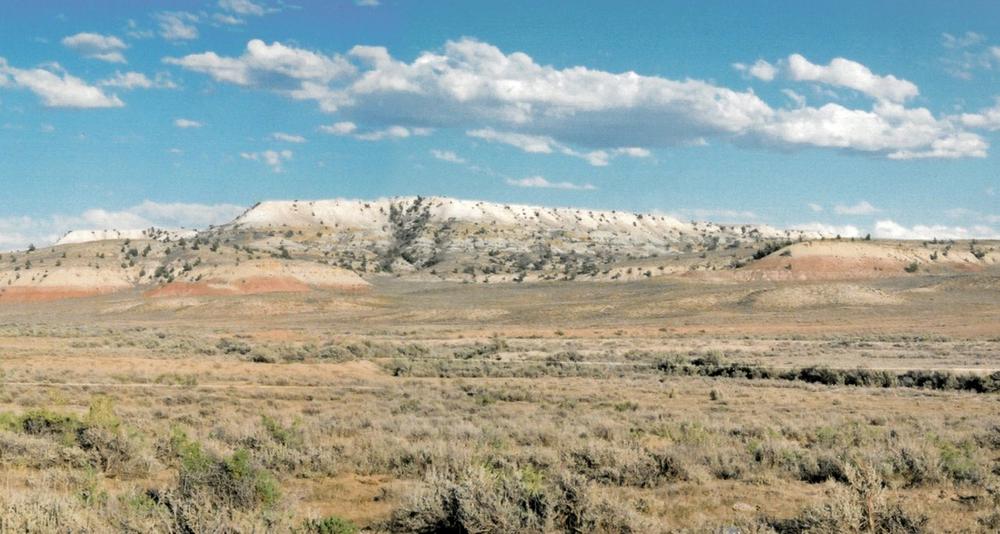
Not So Hot After All? Fossil Lizards and Snakes Reveal New Information About the Eocene Climate
A research team from the Senckenberg Gesellschaft für Naturforschung has investigated ancient climate during the Eocene epoch some 56 to 34 million years ago, using a new method based on the evolutionary relationships of fossils. The results of their study, now published in the journal “Communications Earth and Environment,” indicate that the climate in North America was more stable during this period than previously assumed. This casts doubt on formerly widely held assumptions about climate sensitivity, i.e., the temperature response to rising carbon dioxide levels. How much does the earth warm up when the CO₂ content in the atmosphere increases? This is not just a question for climate researchers, it…
-
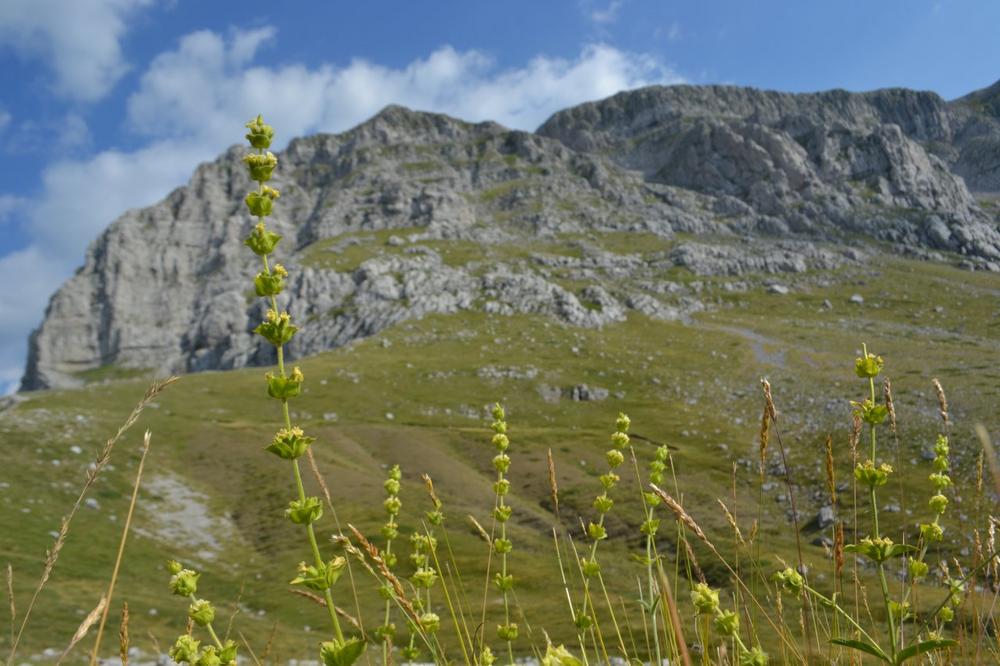
Visible from Space: Loss of Genetic Plant Diversity
An international research team led by Senckenberg scientist Dr. Spyros Theodoridis has investigated the effects of the increasing greening of many European mountain regions on the genetic diversity of plants. Their study, now published in the journal “Current Biology,” uses the example of the Greek mountain tea Sideritis to show that the increase in vegetation in mountainous regions promoted by climate and land use change can lead to genetic impoverishment. The team, which included Prof. Dr. David Nogués-Bravo from the University of Copenhagen along with Senckenberg researchers Prof. Dr. Thomas Hickler and Prof. Dr. Marco Thines, used satellite images and genetic analyses to document that the increase of vegetation density…
-
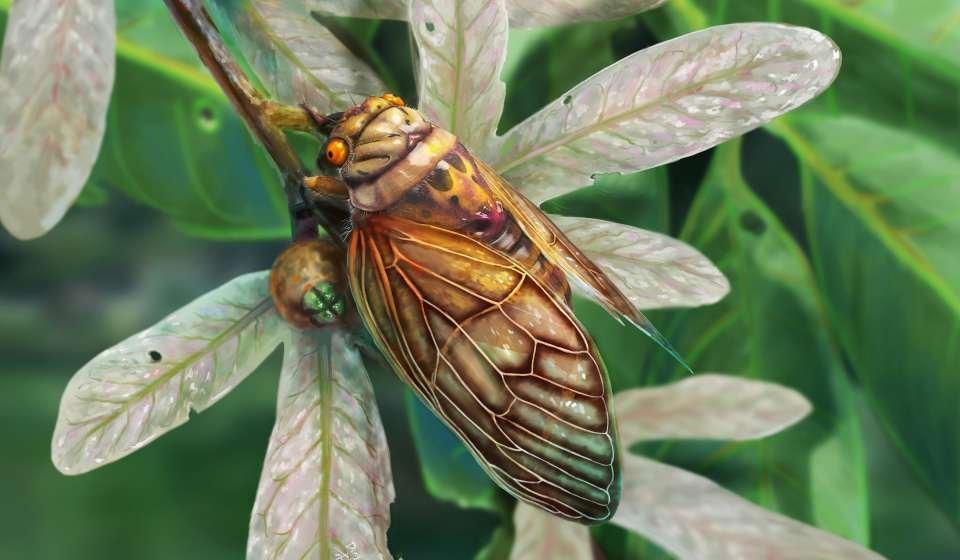
47-Million-year-old Buzzing: First Fossil Cicada Discovered in the Messel Pit
For the first time, a fossilized true cicada has been described from the Messel Pit deposits. Eoplatypleura messelensis is one of the oldest known representatives of the modern-day true cicadas in Eurasia, and it is the earliest record of the subfamily Cicadinae worldwide. The discovery from the UNESCO World Heritage Site near Darmstadt expands our understanding of the fauna of that time, closes an important gap in the fossil record, and provides new insights into the development and expansion of this insect group in Europe during the Cenozoic. The new discovery was published today in the journal “Scientific Reports.” With a body length of around 26.5 millimeters and a wingspan of 68.2…
-
Frankfurt Conservation Award (Bruno H. Schubert Prize): International Award for Teaching, Research, and Applied Nature Conservation
Today, the Bruno H. Schubert Foundation is presenting the international Frankfurt Conservation Award 2025 (Bruno H. Schubert Prize). This year’s award winners Joji Cariño, Dr. Rosie Trevelyan, and Dr. Hà Thăng Long will be honored in the ballroom of the Senckenberg Research Institute and Nature Museum Frankfurt. The three partner institutions of the Bruno H. Schubert Foundation – the Goethe University Frankfurt, the Frankfurt Zoological Society, and the Senckenberg Gesellschaft für Naturforschung (Senckenberg Society for Nature Research) – have selected the award recipients in recognition of their achievements in protecting biodiversity in research and teaching as well as in applied nature conservation and environmental protection. The Frankfurt Conservation Award is…
-
A Deep-sea Octopus is the “Mollusk of the Year 2025”
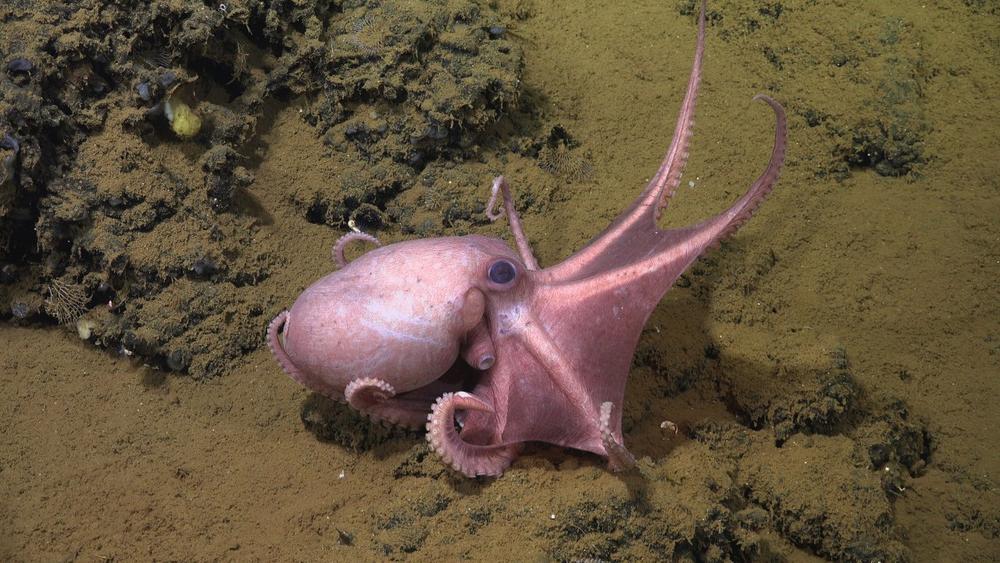
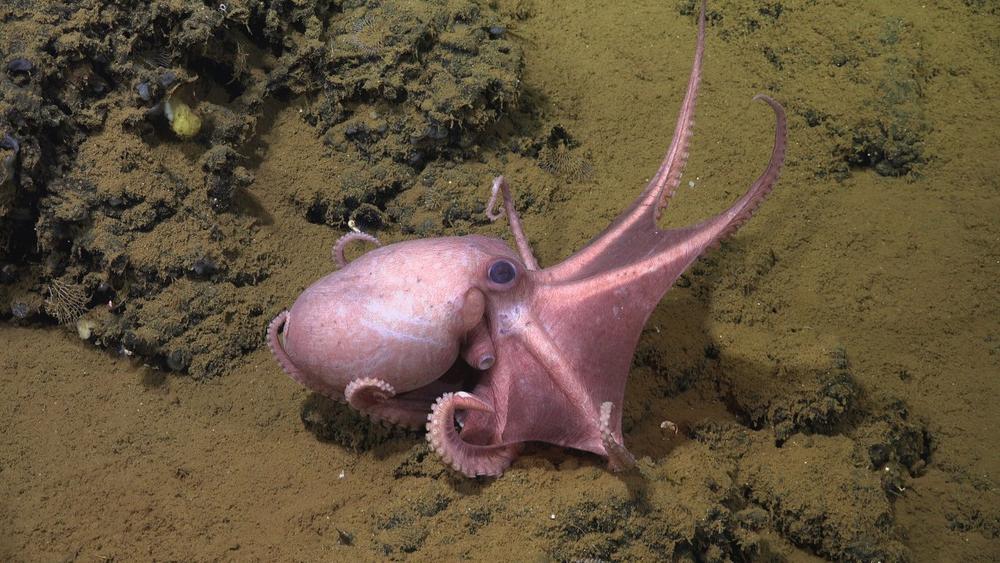
The deep-sea octopus Muusoctopus has won the title of “International Mollusk of the Year 2025.” Muusoctopus received the majority of votes in the public online poll, beating three sea snails and a clam that were also finalists in the competition. The joint campaign by the Senckenberg Gesellschaft für Naturforschung and Unitas Malacologica, the global society for mollusk research, was held for the fifth time this year. The genome of the eight-armed winner is now being fully sequenced for the first time. The deep-sea octopus Muusoctopus received over 1,300 votes, edging out the “blue dragon” sea slug (Glaucus atlanticus), the Atlantic carrier snail (Xenophora conchyliophora), the Hawaiian black-footed limpet (Cellana exarata),…
-
Frogs, Cocoa, and Grazing Livestock: How Humans and Amphibians Can Coexist
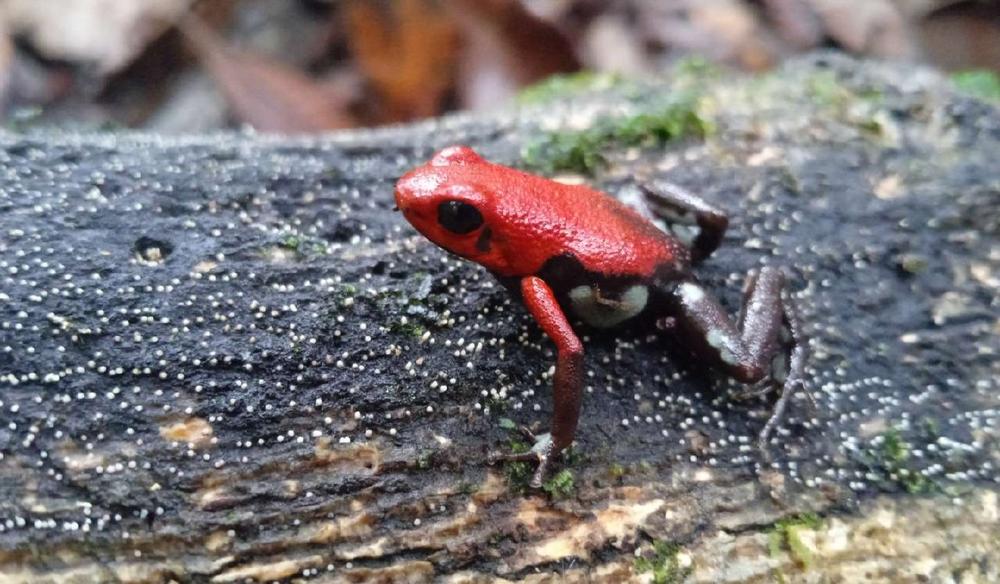
Agriculture in the Colombian Andes is an important economic sector that is strongly influenced by geographical diversity and the local climatic conditions. Senckenberg researcher PD Dr. Raffael Ernst and a Colombian-German research team investigated how different land use systems influence amphibian diversity in this region. In their study, published in the journal “Agriculture, Ecosystems & Environment,” they show that agroforestry systems with shade-providing plantations have the highest species diversity. Intensive agriculture, particularly cattle farming, on the other hand, has a negative impact on biodiversity. The study demonstrates that the conservation of amphibian diversity is only possible through a combination of less intensive agroforestry systems and the interlinking of natural forest…
-
Oases: Diversity Without Protection
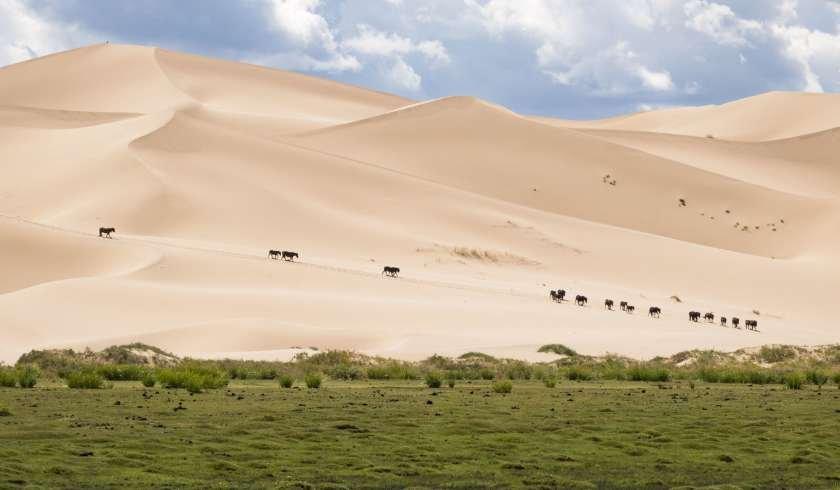
Oases are ecosystems that offer unique biological and cultural diversity and are therefore crucial for humans and nature alike. A study led by Senckenberg researchers, recently published in the journal “PeerJ,” has undertaken the first comprehensive global analysis of these areas. Based on 1,657 research papers, 1,344 oases in 30 countries were identified, which provide a livelihood for around 400 million people in Asia and North Africa alone. Despite their ecological and cultural relevance, less than 0.5 percent of these areas are protected, even though many of the species living there are threatened. The researchers urgently call for oases to be considered in the context of global nature conservation, particularly…
-
“Mollusc of the year 2025” Competition
Which mollusc will win the race? Starting today, all fans of snails, octopuses, and their ilk can cast their vote at https://moty.senckenberg.science and decide which of the five species in the final deserves the title of “International Mollusc of the Year 2025.” This is the fifth time that the Senckenberg Society and Unitas Malacologica, the global society for mollusc research, have launched this campaign. The objective is to increase awareness of this fascinating and species-rich group of animals and promote their protection. A special prize is in store for the winning species: Its genome will be fully decoded for the first time. “By selecting the ‘Mollusc of the Year 2025,’…
-
Cracking the Mollusc Code
An international team of scientists has cracked a longstanding evolutionary mystery surrounding molluscs, one of the most diverse groups of animals on Earth. The groundbreaking research, published today in Science, resolves the family tree for molluscs, bringing long-awaited clarity on their evolutionary history and resolving debates that have persisted for decades. Molluscs, which include animals like snails, clams, squids, and octopuses, boast extraordinary diversity in shape, size, behaviour and habitat. Despite their ecological and economic importance, their evolutionary relationships have been notoriously difficult to untangle due to conflicting evidence from fossils, physical traits, and genetics. In their new study, scientists analysed the genomes of 77 mollusc species, representing all eight major…