-
Vögtlin Instruments Celebrates 40 Years of Precision in Gas Flow Measurement and Control
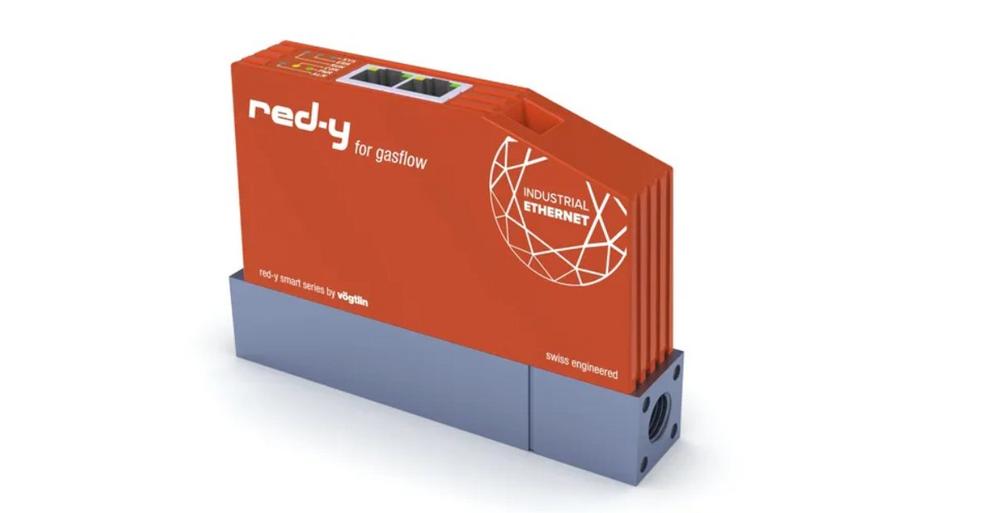
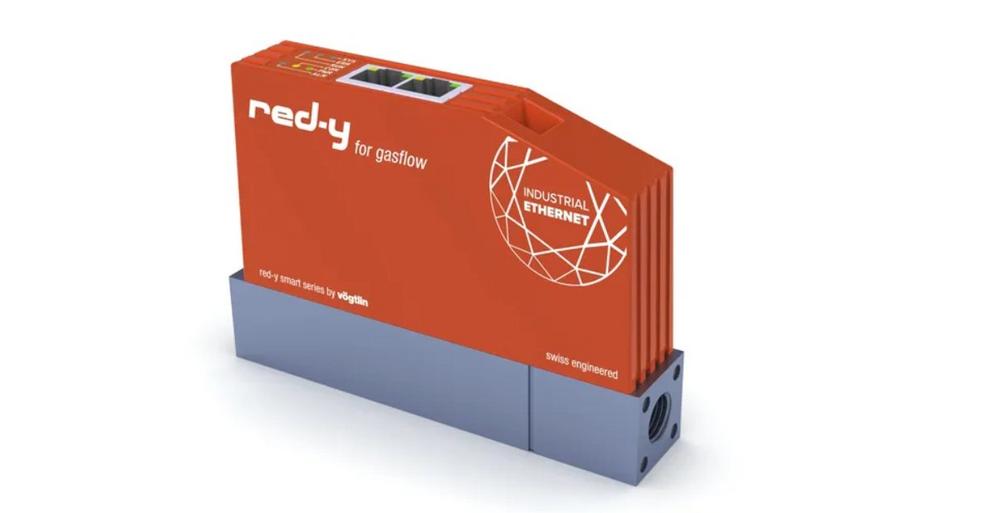
Since its founding in 1986, Vögtlin Instruments has grown into an internationally recognised provider of precise gas flow measurement and control. The company pairs technological innovation with close collaboration with customers and partners — and after 40 years of "Spirit of Flow," it is deliberately looking ahead. Products That Set the Standard One key to that success is combining different measurement technologies. Vögtlin relies on MEMS sensors, differential pressure sensors, and capillary sensors to deliver exceptional precision, long-term stability, and reproducibility across a broad range of applications. Vögtlin turns that ambition into products that shape the market. The red-y smart series set a new benchmark in digital gas measurement. The…
-
Vögtlin Instruments feiert 40 Jahre Präzision in der Gasdurchfluss-Mess- und Regeltechnik
Seit der Gründung im Jahr 1986 hat sich Vögtlin Instruments zu einem international anerkannten Anbieter für präzise Gasdurchflussmessung und -regelung entwickelt. Das Unternehmen verbindet technologische Innovation in enger Zusammenarbeit mit Kunden und Partnern – und richtet nach 40 Jahren „Spirit of Flow“ den Blick bewusst nach vorne. Produkte, die Massstäbe setzen Ein Erfolgsfaktor ist die Kombination unterschiedlicher Messtechnologien: Vögtlin setzt auf MEMS-Sensorik, Differenzdrucksensoren und Kapillarsensoren. Dies ermöglicht massgeschneiderte Lösungen für unterschiedliche Anwendungen und Anforderungen. Diesen Anspruch übersetzt Vögtlin in marktprägende Produkte. Die red-y smart series setzte neue Massstäbe in der digitalen Gasmesstechnik. Der red-y compact etablierte sich als erstes batteriebetriebenes, portables Massedurchflussgerät. Ein aktuelles Beispiel für die Innovationskraft des Unternehmens…
-
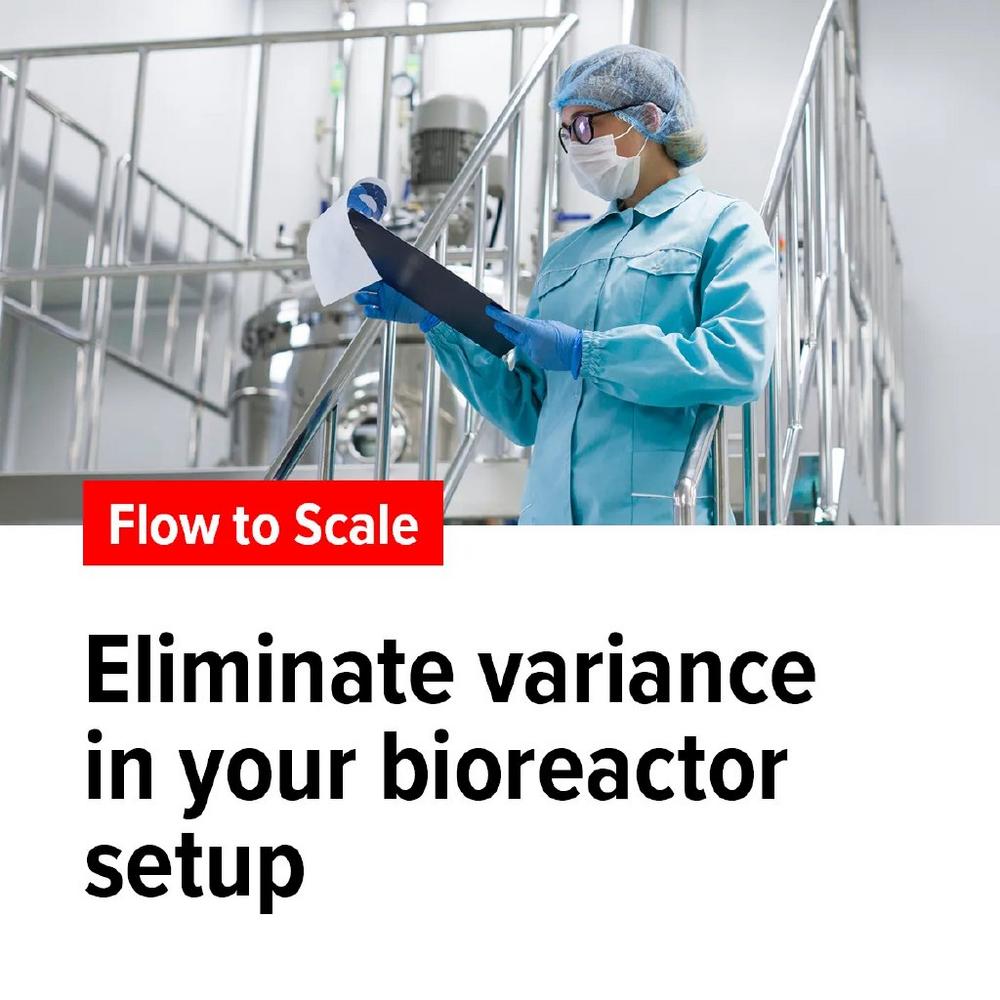
Why Your Bioprocesses Never Settle
Your pH controller is running flawlessly, and all protocols are perfect. Yet your batches still vary. The problem? You’re looking in the wrong place. The cause rarely lies in the petri dish, but often in gas handling. On our Biotech Hub, you’ll discover: → Why identical protocols yield different results → Which technical factors become critical during scaling → How to ensure reproducible bioprocesses from lab to production → Find out where you really should be looking Über die Vögtlin Instruments GmbH Vögtlin is a Swiss developer of precision flow devices. For almost 40 years, their flow experts have been developing high-quality products and solutions for flow measurement and control…
-
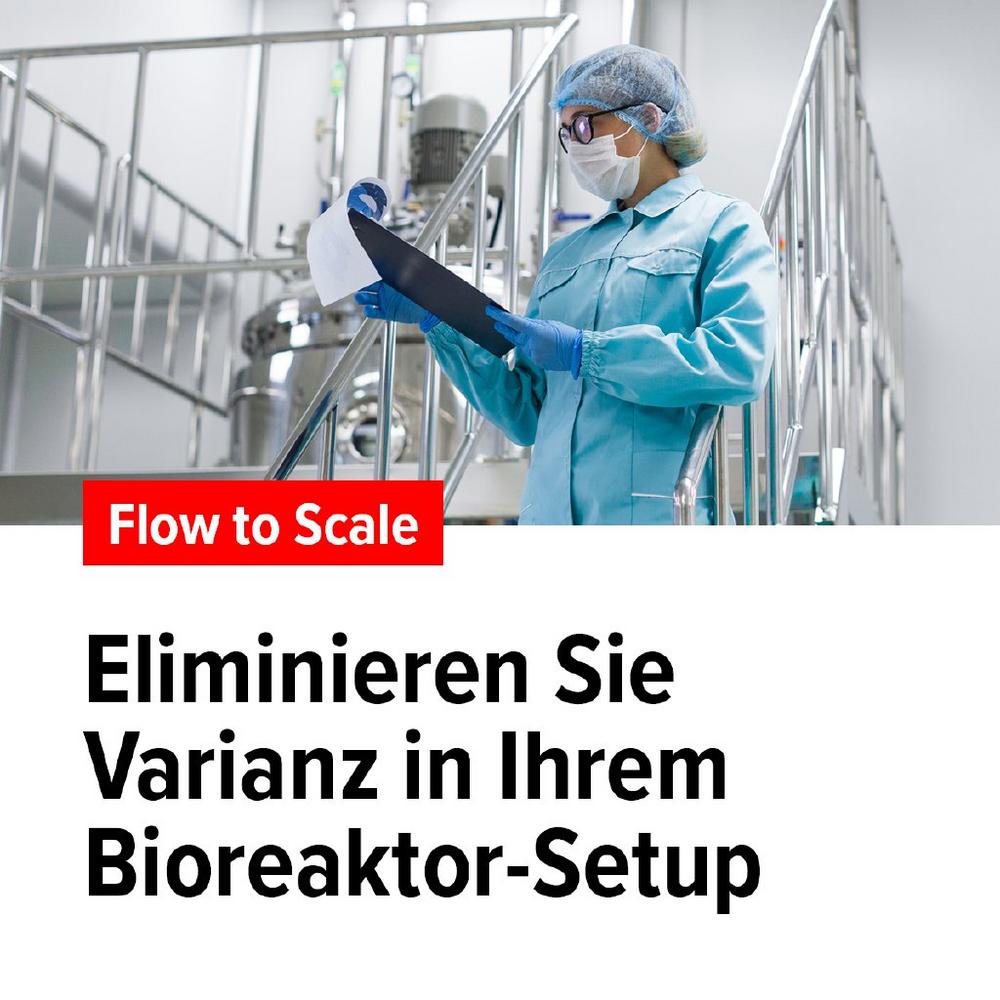
Warum Ihre Bioprozesse nie stillstehen
Ihr pH-Controller läuft einwandfrei, und alle Protokolle sind perfekt. Trotzdem variieren Ihre Batches. Das Problem? Sie suchen an der falschen Stelle. Die Ursache liegt selten in der Petrischale, sondern häufig im Gas-Handling. Auf unserem Biotech-Hub entdecken Sie: → Warum identische Protokolle unterschiedliche Ergebnisse liefern → Welche technischen Faktoren beim Skalieren kritisch werden → Wie Sie reproduzierbare Bioprozesse vom Labor zur Produktion sichern → Finden Sie heraus, wo Sie wirklich hinschauen sollten. Über die Vögtlin Instruments GmbH Vögtlin ist ein Schweizer Entwickler von Präzisionsdurchflussgeräten. Seit fast 40 Jahren entwickeln ihre Durchflussexperten hochwertige Produkte und Lösungen für Durchflussmess- und Regelaufgaben. Sie eignen sich für viele Anwendungen: Pharmazeutik, Biotechnologie, Life Science, Forschung und…
-
2,647 km per kilogram of hydrogen are no coincidence
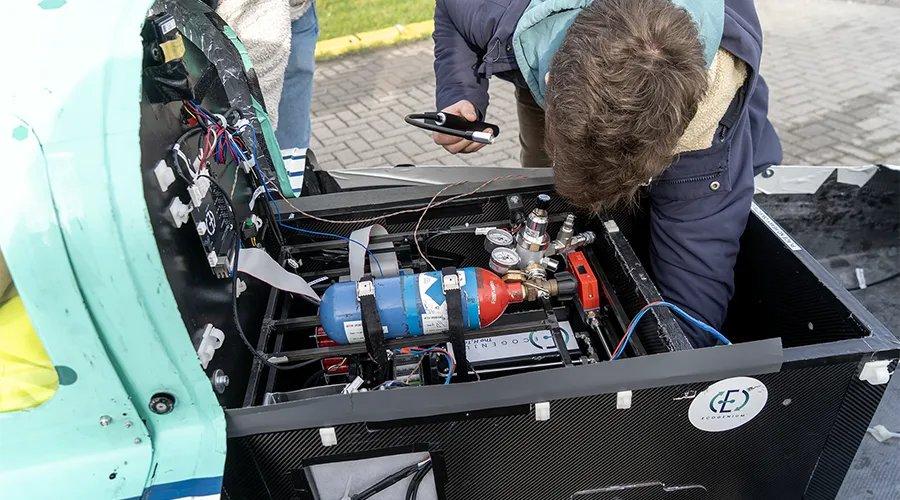
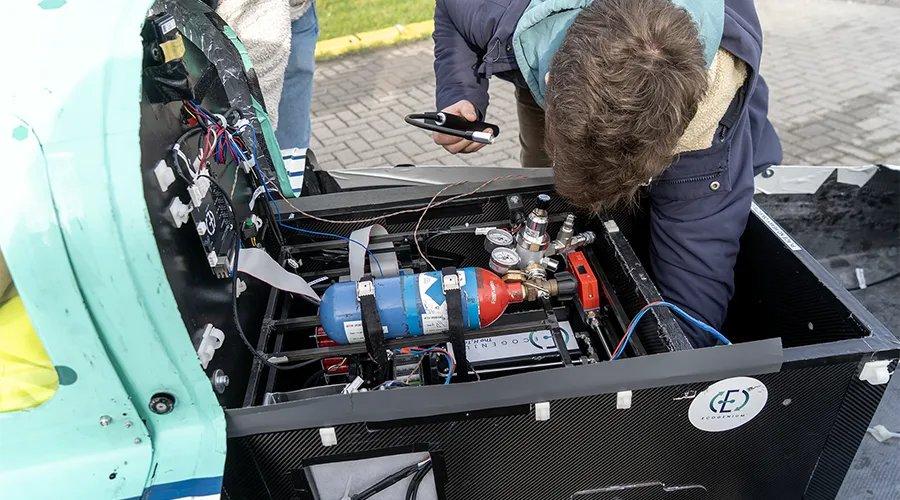
Shell Eco-marathon | Hydrogen Prototype “Hydraix II” At the Shell Eco-marathon 2025, the Ecogenium team achieved a specific range of 2,647 km/kg H₂ with its hydrogen prototype vehicle Hydraix II, securing second place worldwide. Achieving this level of efficiency required the exact, reproducible, and dynamically stable measurement of the hydrogen mass flow throughout the entire driving cycle. Real-time hydrogen flow measurement The red-y smart series mass flow meter from Vögtlin Instruments was integrated into the vehicle’s hydrogen supply system to continuously measure the mass flow directly in the supply line. Measurement data were transmitted in real time to the control system and used both for consumption monitoring and for…
-
2.647 km pro kg Wasserstoff sind kein Zufall
Shell Eco-Marathon | hydrogen Prototype „Hydraix II“ Beim Shell Eco-Marathon 2025 erreichte das Ecogenium Team mit ihrem hydrogen Prototype Fahrzeug Hydraix II eine spezifische Reichweite von 2.647 km/kg H₂ und belegte damit Platz 2 weltweit. Um dieses Effizienzniveau zu realisieren, war eine exakte, reproduzierbare und dynamisch stabile Erfassung des Wasserstoff-Massestroms über den gesamten Fahrzyklus hinweg erforderlich. Wasserstofffluss in Echtzeit Der red-y smart series Massedurchflussmesser von Vögtlin Instruments wurde im Wasserstoffversorgungssystem des Fahrzeugs integriert, um den Massestrom direkt im Versorgungsstrang kontinuierlich zu erfassen. Die Messdaten wurden in Echtzeit an das Steuerungssystem übergeben und dienten sowohl der Verbrauchsüberwachung als auch der nachgelagerten Analyse zur Optimierung von Regelstrategie und Fahrprofil. Aufgrund des…
-
Vögtlin did it again! Advanced gas flow measurement and control
After obtaining an innovation award for the compact versatile mass flow meter, Vögtlin got the 2025 innovation award for the d·flux mass flow controller/meter. These multiparameter (mass flow, volumetric flow, temperature, pressure and density) are based on viscosity depended differential pressure measurement over an advanced laminar flow element. The viscosity and density are calculated based the refprop (NIST) database by accurately measuring the pressure and the temperature. Due to this you get highly accurate readings of the flow independent of pressure and temperature changes. With this calculation you can program almost any gas in the flow meter based on the basic air calibration. This makes the unit economical for any…
-
Why Gases Matter in Bioprocessing – Smart Mass Flow Controllers for Reliable Bioreactors
Gases play a critical role in bioreactors, especially in aerobic bioprocesses where microorganisms or cells require oxygen to grow and function. But why are these gases so important? What do they do and why do I have to select high quality mass flow controllers? Gases in aerobic bioprocesses primarily perform the following tasks Oxygen supply: microorganisms and mammalian cells need Oxygen to live, grow and multiply. It is their respiration. Too little and they do not grow, too much and you have the risk of oxidative stress, metabolic shifts, increased shear stress because of the required higher agitation or sparging rates. For most processes the optimum DO (Dissolved Oxygen) is 20…
-
Warum Gase in Bioprozessen entscheidend sind – präzise Massedurchflussregler für zuverlässige Bioreaktoren
Gase spielen in Bioreaktoren eine entscheidende Rolle – insbesondere in aeroben Bioprozessen, bei denen Mikroorganismen oder Zellen Sauerstoff benötigen, um zu wachsen und zu funktionieren. Doch warum sind diese Gase so wichtig? Welche Aufgaben erfüllen sie – und warum sollte man hochwertige Massedurchflussregler einsetzen? Aufgaben der Gase in aeroben Bioprozessen Sauerstoffversorgung: Mikroorganismen und Säugetierzellen benötigen Sauerstoff, um zu leben, zu wachsen und sich zu vermehren – er ist ihr „Atem“. Zu viel Sauerstoff kann zu oxidativem Stress, Veränderungen im Stoffwechsel und zu einer stärkeren mechanischen Belastung der Zellen führen – verursacht durch intensiveres Rühren oder eine höhere Gaszufuhr. Für die meisten Prozesse liegt der optimale DO-Wert (Dissolved Oxygen) zwischen 20 und 40 %. Abfuhr…
-
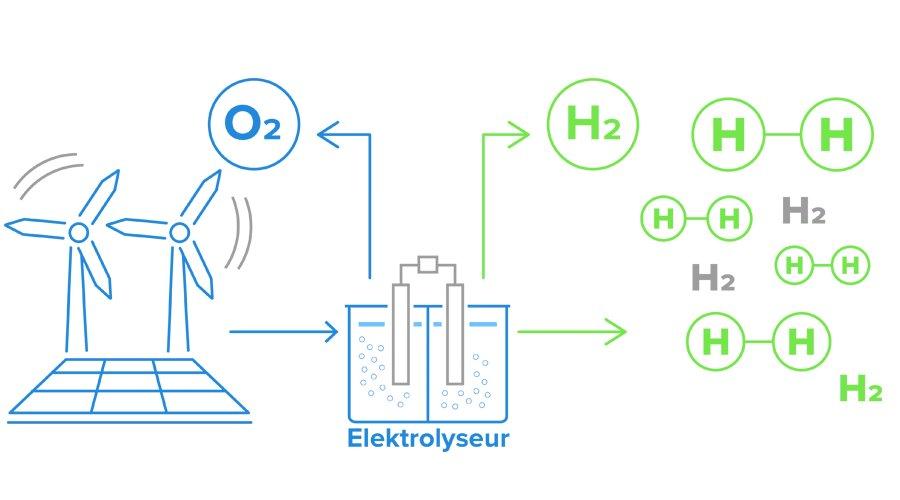
Erzeugung von Wasserstoff (H₂) aus Elektrolyseuren
Elektrolyseure nutzen elektrischen Strom, um Wasser (H₂O) in Wasserstoff (H₂) und Sauerstoff (O₂) zu spalten. Diese Systeme sind so ausgelegt, dass sie kontinuierlich Wasserstoffgas erzeugen, wobei der Wasserstoff im Fokus steht und der Sauerstoff häufig ungenutzt bleibt. Die Menge des erzeugten Wasserstoffs hängt direkt von der Leistungsaufnahme des Elektrolyseurs ab. Der Wirkungsgrad eines Elektrolyseurs beschreibt, wie viel Wasserstoff er im Verhältnis zur verbrauchten elektrischen Energie produzieren kann. Daher ist eine präzise Messung der Wasserstoffproduktion von entscheidender Bedeutung. Der erzeugte Wasserstoff ist jedoch zunächst mit Wasserdampf gesättigt und die meisten Durchflussmesser sind bei der Messung von feuchtem oder nassem Wasserstoff aufgrund der unterschiedlichen Eigenschaften von Wasserstoff und Wasserdampf weniger genau. Um…